
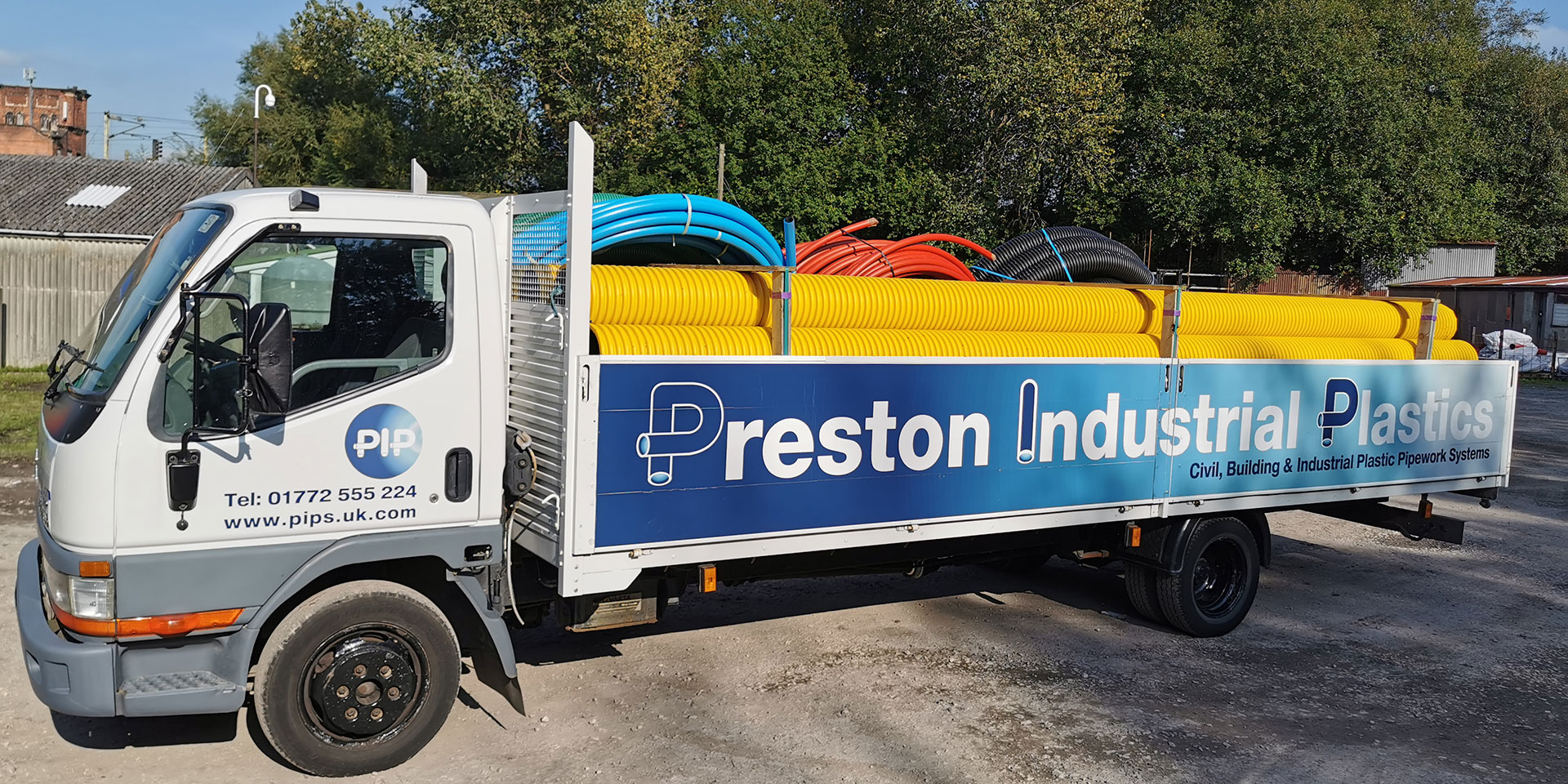

Preston Industrial Plastics
Industrial Pipe Work
  • UPVC
  • PE
  • ABS
  • CPVC
  • PVDF
  • Polypropylene


UPVC pipe systems are widely used for their ease of installation and good flow and chemical resistance properties.  UPVC is resistant to most acids and caustic substances.  Can be used with potable water.  Jointing method:  Solvent cement.  

When specifying imperial pipe, fittings and other components, reference is made to the nominal size of the pipe bore in inches and fractions of an inch.  With metric systems, reference is made to the outside diameter and is expressed in millimetres.  It is important to  note that with the exception of 2 ½ ¨/75mm and 5¨/140mm the systems are not interchangeable.


Imperial sizes                                                                         

Metric sizes

Nominal 

Pipe

Pipe    

Nominal

bore (inches)           

outside diameter (mm)

outside diameter (mm)       

bore (mm)

3/8¨

17.1

16

10

1/2¨

21.4

20

15

3/4¨

26.7

25

20

33.6

32

25

1 1/4¨

42.2

40

32

1 1/2¨

48.3

50

40

60.3

63

50

2 1/2¨

75.2

75

65

88.9

90

80

114.3

110

100

140.2

140

125

168.3

160

150

219.1

225

200


Temperature and pressure relationship for UPVC pipes

Temperature (°C)

Class C
bar (psi)

Class D
bar (psi)

Class E
bar (psi)

PN10
bar

PN16
bar

0

9.0 (130)

12.0 (174)

15.0 (217)

10.0

16.0

20

9.0 (130)

12.0 (174)

15.0 (217)

10.0

16.0

30

8.1 (117)

10.8 (156)

13.5 (195)

8.0

12.8

40

6.3 (91)

8.4 (121)

10.5 (152)

6.4

10.2

50

4.0 (58)

5.4 (78)

6.7 (97)

4.4

7.0

60

 1.3 (18)

1.8 (26)

2.2 (31)

2.6

4.1


Pressure ratings for UPVC fittings and valves

Product

Size

Pressure Rating

Fittings Solvent Cement

½ ¨ - 6¨/16mm – 160mm

15 bar


8¨/200mm – 225mm

9 bar

Fittings Threaded

3/8¨ - 4¨

10 bar

Valves

3/8¨ - 2¨/20mm – 63mm                    

16 bar


2 ½ ¨ - 4¨/75mm – 110mm

10bar

All pressure ratings are at 20°C.


All UPVC pipe is supplied in plain ended 6 metre lengths.  A full range of plain fittings (elbows, tees reducing bushes etc.), adaptor fittings (plain/thread nipples, sockets etc.), threaded fittings (hexagon nipples, sockets, elbows etc.), manual valves (ball valves, diaphragm valves, non-return valves etc.) are available from stock.  Electrical/pneumatic actuator valves are also available.


PE 80PE 100


The most widespread use of PE is for gas and water pipelines, but its good chemical resistance, low weight and flexibility also make it suitable for industrial pipe systems.

Polyethylene pipe is manufactured in two forms:-

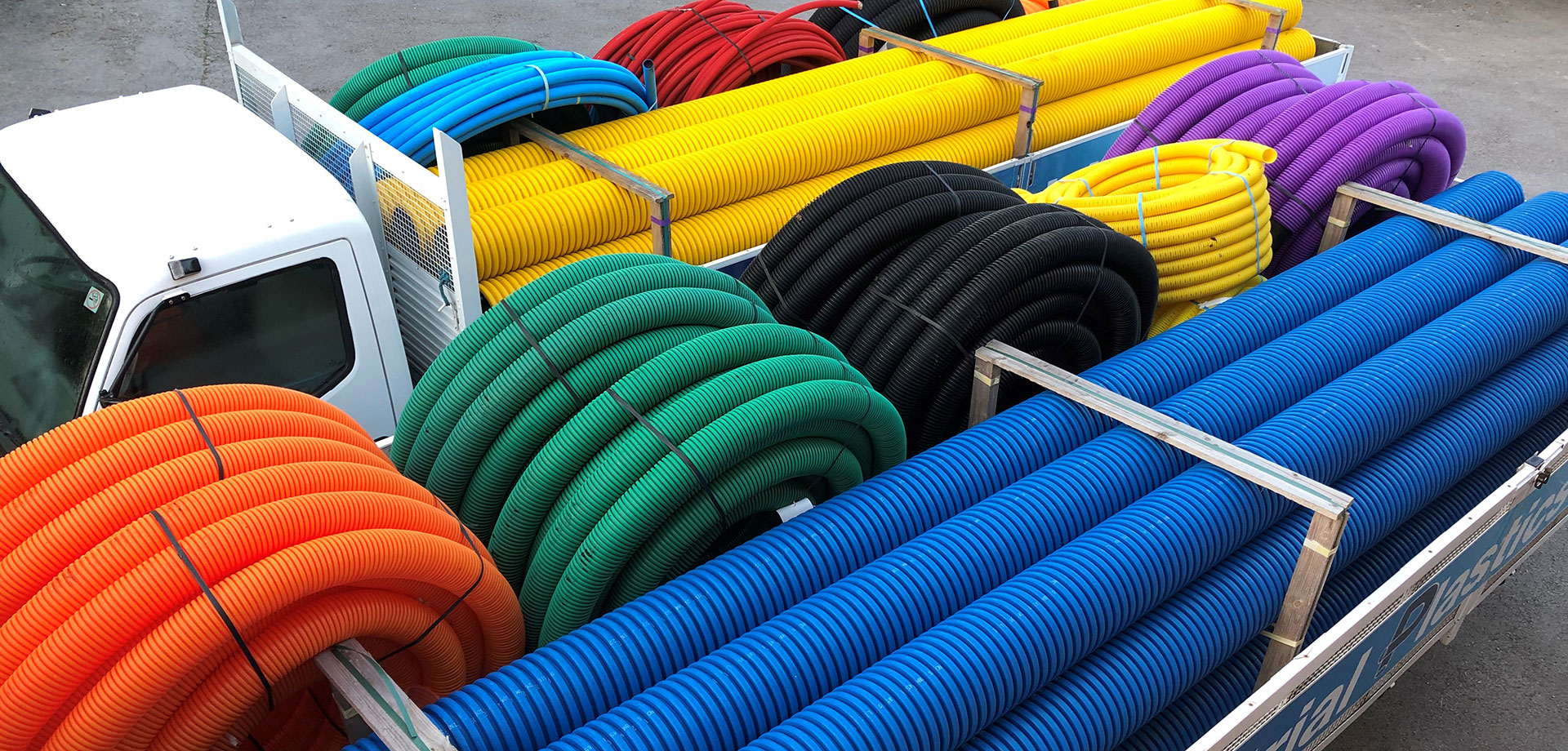
PE80– Previously known as Medium Density Polyethylene (MDPE) and High Density Polyethylene (HDPE).  Familiar to most people as the light blue and black pipe used for water and yellow pipe used for gas supply.

PE100 – A High Performance Polyethylene (HPPE) permitting thinner walls than PE80 for the same operating pressure.  This allows a larger bore and increased flow capacity for a given nominal pipe size.

The wall thickness of polyethylene pipe is usually stated as a ratio of the nominal outside diameter.  This ratio is known as the Standard Diameter Ratio (SDR)

SDR =   Nominal Outside Diameter ÷ Minimum Wall Thickness.  The lower the SDR number the greater the maximum operating pressure.  The most common SDR ratings are SDR 11 and SDR 17.

There are two types of jointing method; electrofusion and butt fusion.  Electrofusion uses socket style fittings which have integral heating elements.  A controlled voltage is supplied by a generator/control box.  As electrical power flows through the element the wire heats and melts the surrounding polymer,  welding the pipe to the fitting.  Butt Fusion is typically used when joining pipe of 125mm diameter and above and requires a butt fusion machine which is programmed with welding parameters and is normally fully automatic.

Generally pipe with a diameter of 20mm – 90mm is supplied in coil form.  Some larger diameters are available in coil, but the majority of larger sizes are supplied in either 6 or 12 metre straight lengths.


ABS pipe systems are also widely used for their ease of installation and good flow and chemical resistance properties with the added advantage of a greater temperature range.  Can be used with food and potable water.  Jointing method:  Solvent cement.

Temperature and pressure relationship for ABS pipes


Class C

Class D

Class E

Temperature (°C)

bar (psi)

bar (psi)

bar (psi)

-40

9.0 (130)

12.0 (174)

15.0 (217)

-20

9.0 (130)

12.0 (174)

15.0 (217)

0

9.0 (130)

12.0 (174)

15.0 (217)

20

9.0 (130)

12.0 (174)

15.0 (217)

30

8.1 (117)

11.3 (163)

13.5 (195)

40

6.3 (91)

8.5 (123)

10.5 (152)

50

4.5 (65)

6.3 (91)

7.5 (108)

60

2.7 (39)

3.8 (55)

4.5 (65)


All ABS pipe is supplied in plain ended 6 metre lengths.  Standard sizes are from 3/8¨ to 6¨.  A full range of plain fittings, adaptor fittings and threaded fittings are available together with manual and actuated valves.


Standard sizes with PN16 rating range from 16mm to 160mm and PN10 rating from 75mm to 225mm. Pipe is supplied in 5 metre plain ended lengths. Jointing method is by solvent cement.


Standard sizes with PN16 rating range from 16mm to 110mm. Pipe is supplied in 5 metre plain ended lengths. Jointing method is by socket fusion.


The chemical resistance properties of polypropylene are excellent, it is resistant to aqueous solutions of acids, alkalis and salts and to a large number of organic solvents. One of the advantages of polypropylene is its ability to withstand higher temperatures than UPVC; it will withstand temperatures from -10°C to 90°C and short term temperatures up to a maximum of 110°C.

Standard pipe sizes with PN10 rating are from 20mm to 160mm (larger diameters are available). Pipe is supplied in plain ended 5 metre lengths.  Jointing method is normally by socket fusion, although butt fusion and electrofusion joints are possible.  Hand held and bench mounted socket fusion equipment is available for hire.